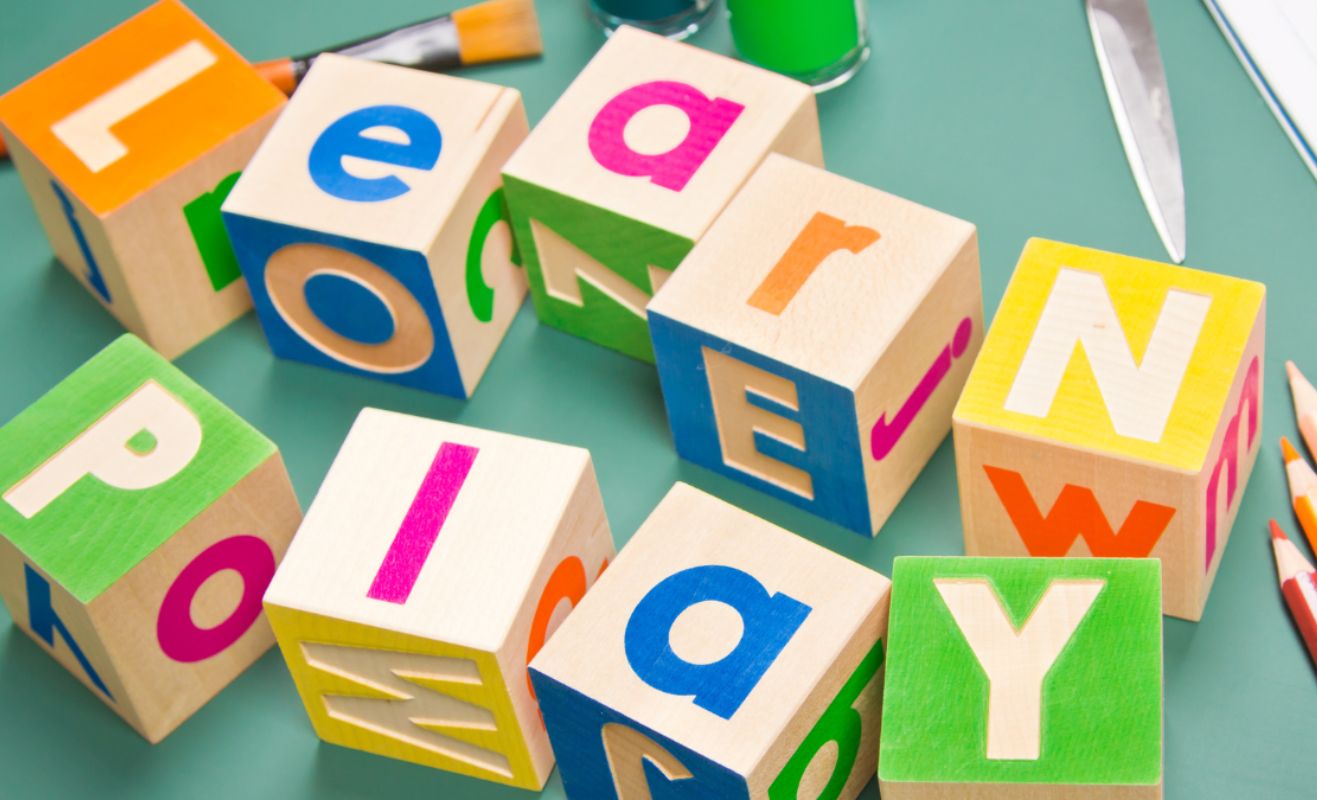
Learn and Play
Play can be more than just entertainment for children, it can be a route through which we can achieve holistic development. This approach to learning is effective as it is developed around how humans… explore and understand the world around them.
Learning through play as a Pedagogy:
Play based pedagogy, also known as learning through play, is an educational approach that utilizes play as a primary means of learning and development for kindergarten children. It is through play that children explore, discover, and make sense of the world around them. Here are some examples of how play can be used as a learning approach:
Learning Math concepts through Play:
Maths concepts can be learnt in an engaging manner through activities such as number sorting, pattern blocks, or counting games.
Pretend Play & Storytelling:
In early childhood education, children often use dramatic play/ role play to act out stories and situations they encounter in daily life. This can help develop language, social, and emotional skills. For example, children might pretend to work in the kitchen, or imitate characters from their favourite story.
This approach transforms education into an active and engaging experience. It revolves around active participation over rote memorization and passive learning. By including play in teaching practices, educators create an environment where children are motivated to learn. This approach is child-centric and allows each child to learn according to their own pace.
Science behind Learning through Play:
Research shows that play activates multiple areas of the brain encouraging neural development which enhances cognitive abilities such as problem – solving and critical thinking.
Play also secretes dopamine a neurotransmitter associated with motivation. It is also associated with better memory, creativity and mental flexibility. Integration of play with teaching practices aligns with research that children learn better when they enjoy the process of learning.